
In short: Freelancers suit one-off pieces and small budgets, studios suit ongoing collateral, and agencies suit brand-wide work with strategy. Agree the deliverables, number of revision rounds, file formats and who owns the artwork before work starts. If the work will be printed, ask for print-ready PDFs with bleed and CMYK colour, or use a designer who works with a printer.
Most Singapore companies buy graphic design in one of two ways: as a one-off project such as a company profile or an annual report, or as a steady stream of small jobs such as event posters, social graphics and sales decks. The right supplier depends on which one you need, and on whether the work ends up on screen or in print.
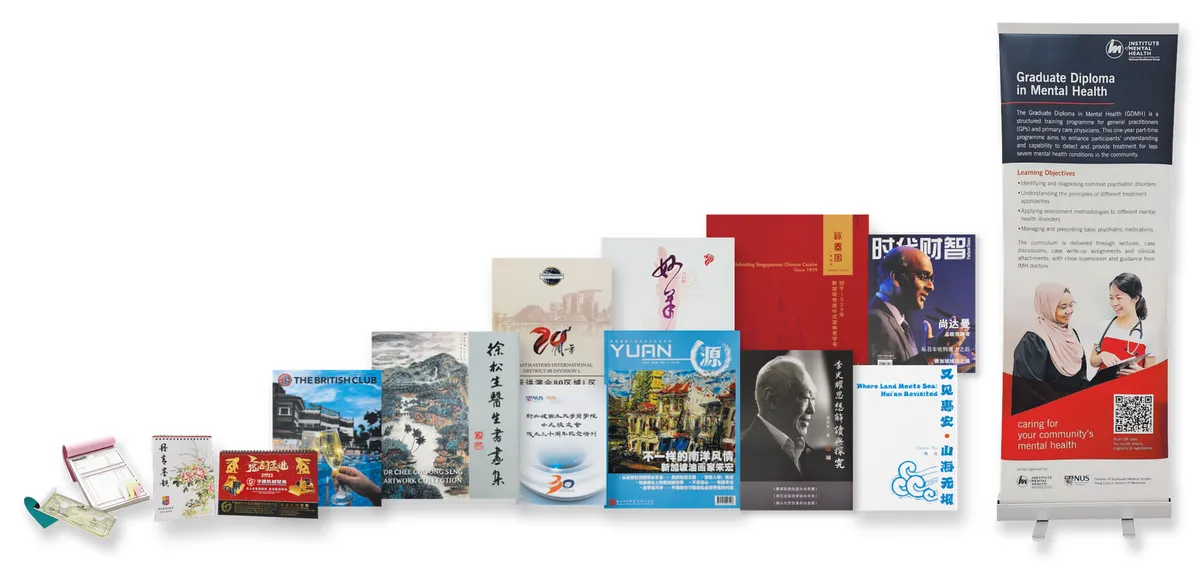
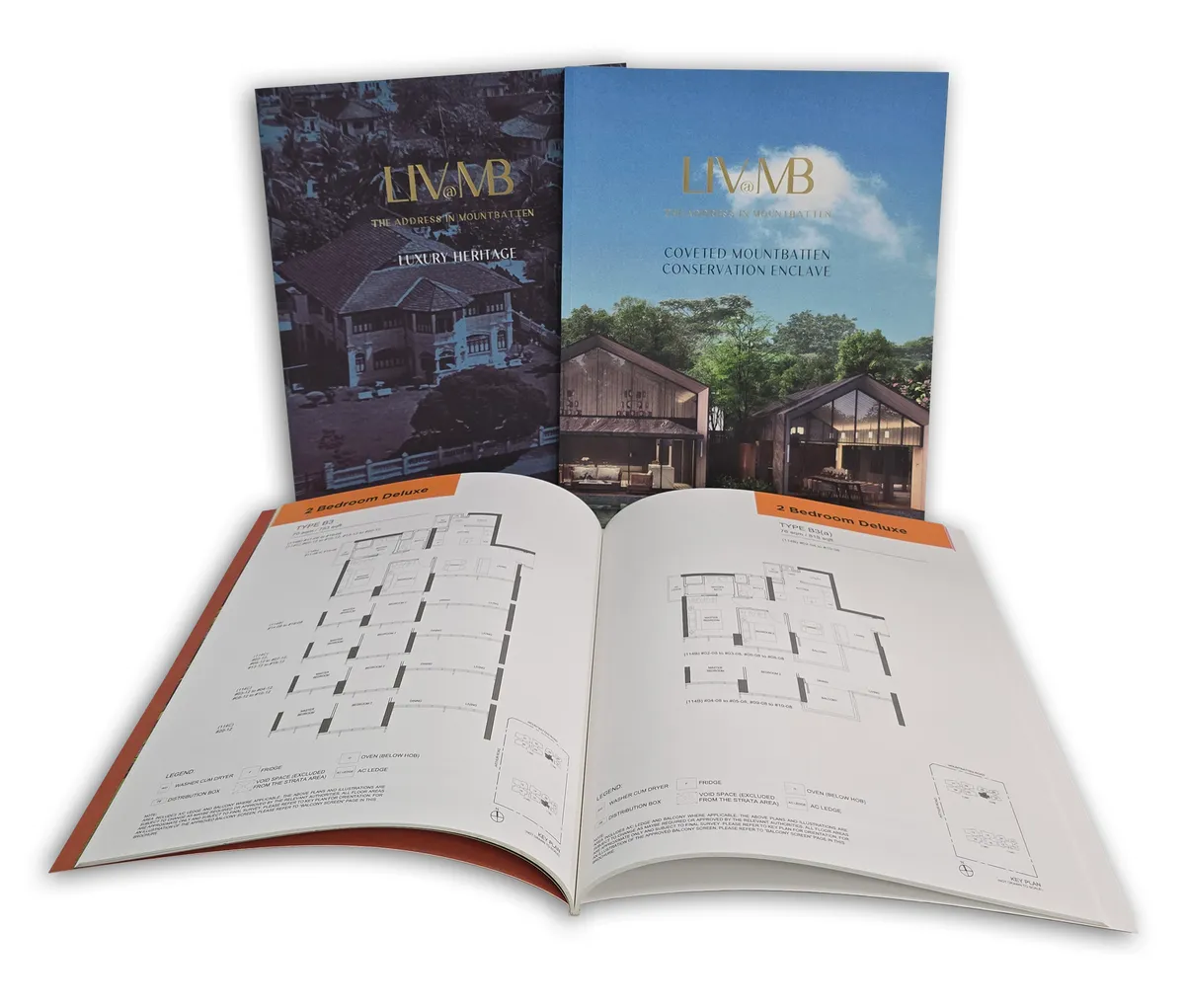

Freelancer, studio or agency
| Option | Good for | Watch out for |
|---|---|---|
| Freelance designer | One-off pieces, small budgets, fast turnaround | Availability, and whether they know print production |
| Design studio | Collateral, publications, packaging and ongoing work | Scope creep if the brief is loose |
| Branding or creative agency | Brand identity, campaigns and strategy | Higher fees; junior staff may do the work |
| Printer with in-house design | Jobs that go straight to print | Design range can be narrower; check the portfolio |
What design work costs
Design is priced by project or by the hour. Simple pieces such as a poster or a flyer cost far less than a multi-page publication, a packaging range or a brand identity, which involve concepts, rounds of changes and production files. Ask for a fixed fee per deliverable, the number of revision rounds included, and the rate for extra rounds.
For anything printed, the design fee and the print cost are separate. Use our printing cost estimator for the print side.
What to put in a design brief
- What the piece is for and who will read it
- Deliverables and sizes: for example a 24-page A4 company profile and a one-page A4 summary
- Your brand guidelines, logo files, fonts and photos
- Text: final copy, or whether you need copywriting and translation
- Languages: English, Chinese, Malay or Tamil, and who proofreads each
- Deadline, including the date files must reach the printer
- Budget range, so the designer can propose the right approach
Getting print-ready files
Screen designs and print designs need different files. For print, ask for a PDF in CMYK, with 3 mm bleed, images at 300 dpi at the printed size, fonts embedded, and crop marks if the printer wants them. Packaging needs the artwork placed on the printer's dieline. A designer who has worked with printers will know this; one who mostly designs for social media may not.
Agree who owns the final artwork and that you receive the editable source files (InDesign, Illustrator or Figma), so the next reprint or update does not depend on one person.
Get quotes from designers
Tell us what you need designed, the deliverables, languages and deadline, and whether it will be printed. A concierge confirms the brief and introduces one to five Singapore designers or studios that do this kind of work, and they quote you directly. See our graphic design matching page, and the printing guides for the production side.
Frequently asked questions
How much does a graphic designer cost in Singapore?
It depends on the job and on who does it. Freelancers usually charge less than studios and agencies, and a single poster costs much less than a 40-page annual report or a brand identity. Ask for a fixed fee per deliverable with the number of revision rounds stated.
Should I hire a freelancer or an agency?
A freelancer is usually enough for one-off pieces with a clear brief. A studio or agency makes sense for ongoing work, multi-page publications, packaging ranges or brand identity work, where you need more than one person and a project manager.
Do I own the design files?
Only if the contract says so. Ask for the final artwork and editable source files to be handed over, and for the copyright or a broad licence to be assigned to your company once you have paid.